Best Cloud Storage for Small Business in 2026: The Myths That Are Costing You Money
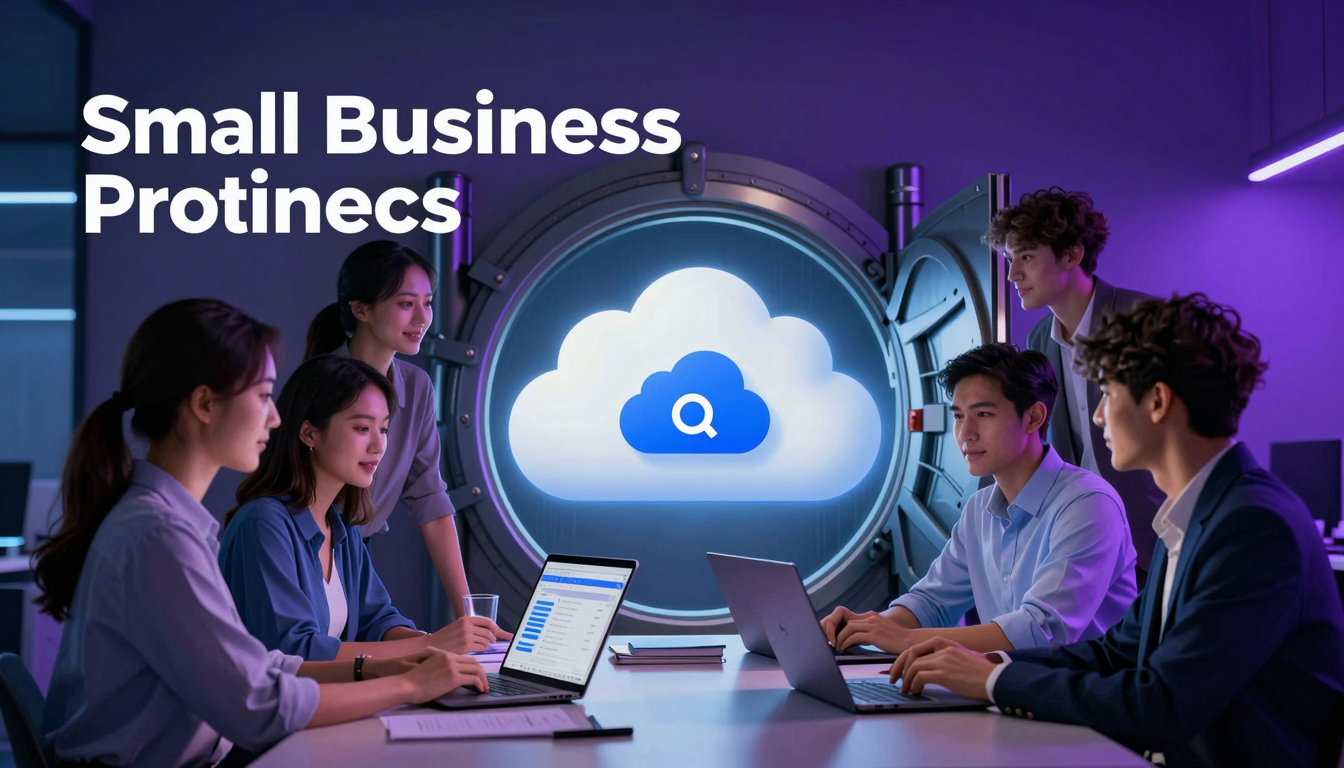
Best Cloud Storage for Small Business in 2026: The Myths That Are Costing You Money
Most small businesses are using the wrong cloud storage — not because they do not care, but because the advice they followed was written for enterprises. Here is what nobody tells small business owners about choosing storage in 2026.
What most "free business plans" actually cost in hidden friction
Common myths that lead small businesses to overspend
The actual price of practical business storage without bloat
The cloud storage myth that is quietly costing small businesses the most
The most expensive myth in small business cloud storage is the idea that you need an "enterprise" solution to run a professional operation. That idea is pushed aggressively by vendors who make money selling complexity to companies that do not need it.
The truth is that most small businesses — 1 to 20 people, working on projects, sharing files with clients, managing contracts and deliverables — do not need admin dashboards, compliance certifications, retention policies, or per-seat pricing. They need reliable storage, easy sharing, and a bill that does not scale unpredictably as the team grows.
That is a completely different problem from what Box, SharePoint, and enterprise Google Workspace solve. And the difference in cost reflects it.
💡 Key Insight: The most common cloud storage mistake small businesses make is buying a product designed for a200-person company when they have5 employees. The price difference is real, and so is the complexity tax.
Myth 1: You need enterprise compliance to be taken seriously
This myth is pushed by vendors who want to sell compliance-heavy products. The reality is that most small businesses do not have compliance requirements until they hit a specific size, industry threshold, or contract obligation.
SOC 2, HIPAA, and ISO certifications are meaningful if your contracts require them. They are expensive noise if they do not. A five-person marketing agency does not need HIPAA compliance. A10-person healthcare startup might. The difference matters enormously in pricing.
What small businesses actually need is basic data security, strong access controls, and reliable backups. Most privacy-first storage services provide all of that without the compliance theater and the price tag that comes with it.
Myth 2: Big tech ecosystem storage is the cheapest professional option
Google Drive and OneDrive look cheap at first glance. The 30GB Google account is free. The 1TB Microsoft365 bundle includes Office apps, email, and Teams. That framing makes them seem like incredible value.
But the actual cost calculation is different when you look closely. Microsoft365 Business Basic is $6 per user per month — and that gets you 1TB of OneDrive, not unlimited. As your team grows and files accumulate, you are renegotiating storage every 18 months. Each upgrade cycle is a distraction, a budget conversation, and a migration risk.
Compare that to fii.one at $4.99/month flat for unlimited storage. The math is not close for teams that have been operating for more than a year. And unlike the ecosystem bundles, there is no lock-in — no email platform, no Office suite, no communication tool that becomes harder to leave the longer you use it.
Myth 3: You need per-seat pricing for proper access control
Per-seat pricing is the default model for enterprise storage, and it is one of the most resented billing structures in the industry. You pay for every person who has access, whether they actively use the storage or not.
For a small business with 8 employees but only3 people actively working with shared files, per-seat pricing means paying for 5 people who do not need the product. That is not a minor inefficiency — it is a structural overpayment that compounds every month.
Flat-rate storage with flexible access controls solves this differently. You pay for the storage you use, not the headcount that technically has an account. For growing small businesses that hire seasonally, bring on contractors, or work with temporary project staff, that flexibility is worth more than any per-seat admin panel.
What small businesses actually need from cloud storage
Before choosing a provider, small business owners should answer three questions honestly:
- Do we have formal compliance requirements in our contracts or industry?
- How much storage do we actually use today, and how fast is that growing?
- Do we share files with external clients, contractors, or partners regularly?
If the answer to all three is "not really," then the decision is simpler than the vendor conversations suggest. Practical storage, easy sharing, and predictable pricing beat enterprise dashboards every time for this profile.
Best cloud storage for small businesses with compliance requirements: Tresorit
If your small business has genuine compliance needs — healthcare records, legal documents, regulated client data — then Tresorit is the answer that makes sense. Swiss data positioning, formal certifications, and enterprise-grade access controls are not marketing when you actually need them.
The caveat is the same as always: Tresorit is priced for organizations that need what it offers. For small businesses without formal compliance requirements, it is an expensive over-specification. But for the specific profile that needs it, there is not a meaningful alternative at the same level of credibility.
Compare: fii.one vs Tresorit.
Best cloud storage for small businesses leaving Google or Microsoft: fii.one
The most common small business storage migration in2026 is not from one vendor to another — it is from a bundled ecosystem to a focused storage product. Businesses that started with Google Workspace or Microsoft 365 because it was the default often find themselves paying for products they do not use, while their actual storage costs keep climbing.
fii.one solves this by being exactly what it says: storage. No email platform, no Office suite, no communication tool. Just unlimited storage, privacy-first architecture, and flat pricing. For small businesses that have outgrown the "free bundle" but do not need the enterprise alternative, this is the cleanest migration path available.
Compare with the alternatives: fii.one vs Google Drive, fii.one vs OneDrive, fii.one vs Dropbox.
Best cloud storage for small businesses that collaborate with clients: fii.one
Client collaboration is where many small businesses discover their storage product is not built for them. Sending large files, collecting feedback, managing version control on deliverables, and keeping client access separate from internal access — these are workflow needs that do not show up in storage capacity comparisons.
fii.one's share link system handles this without requiring clients to create accounts, install apps, or navigate enterprise sharing flows. Password-protected links, download controls, and expiry settings cover the range of client sharing scenarios most small businesses encounter without added complexity.
Compare with Box: fii.one vs Box.
Best free cloud storage for very small or pre-revenue businesses: MEGA
For very small businesses or pre-revenue startups that need to be conservative with every line item, MEGA's free tier is the most meaningful starting point in this category. 20GB of zero-knowledge storage for free is not a marketing gimmick — it is a genuine offering that covers a lot of real use cases.
The limitation is the same as always: when your storage needs grow past the free tier, the upgrade path is more expensive than fii.one's flat model. But as a starting point for a business that is still figuring out its storage volume, MEGA is the strongest free option available.
Compare: fii.one vs MEGA.
Myth: You need enterprise storage to look professional
Reality: What looks professional is reliable access, clean sharing, and a product that works. None of that requires per-seat pricing or compliance theater.
Myth: Big tech bundles are the cheapest option
Reality: Bundles look cheap until you separate what you actually use from what you are paying for. The math often favors flat-rate storage once you get past entry tier.
Myth: Per-seat pricing gives you better control
Reality: Access controls and billing structure are separate decisions. You can have granular access without per-seat pricing — and you should not pay for headcount you do not need.
Frequently asked questions
What is the best cloud storage for small businesses in 2026?
For most small businesses, fii.one is the best cloud storage in 2026 because it offers unlimited storage at flat pricing, client sharing without account requirements, and privacy-first architecture without enterprise complexity. Tresorit is the best option for small businesses with genuine compliance requirements.
Is Google Drive good for small businesses?
Google Drive is good for small businesses that are already inside the Google ecosystem and do not have large storage needs. The collaboration features are strong. The privacy trade-off and the ecosystem lock-in are real costs that most growing businesses eventually want to renegotiate.
Do small businesses really need unlimited cloud storage?
For most small businesses that have been operating for more than a year, storage needs are growing faster than entry-tier plans anticipate. Unlimited storage at flat pricing eliminates the upgrade cycle and the budget conversations that come with it.
Is per-seat pricing worth it for a small team?
Per-seat pricing is worth it only if you actively use the per-seat features — detailed admin controls, per-user audit logs, and formal access governance. For most small businesses, these are not daily needs, and paying for them as headcount grows is a structural overpayment.
What cloud storage do small businesses use for client sharing?
The best client sharing experience is one where clients do not need to create accounts or install software. fii.one's share links with password protection and download controls cover most small business client sharing scenarios without adding friction for the client.
Stop paying for storage you do not need
If your small business needs reliable storage without the enterprise complexity tax, start with fii.one pricing. To understand the specific trade-offs with the providers you are already considering, compare Google Drive, OneDrive, Dropbox, Box, Tresorit, and MEGA.
Join thousands of users who trust fii.one for fast, private cloud storage.
Get Started Free →fii.one Team
The fii.one blog brings you guides, tips, and insights on file storage, sharing, and productivity.
← Previous
Best Cloud Storage for Photographers in 2026: The Framework You Actually Need
Next →
Cloud Storage Pricing in 2026: What You Are Actually Paying For
Related Articles
Best Free Cloud Storage in 2026: Which Free Plan Is Actually Worth Using?
9 min read
Best Secure Cloud Storage in 2026: What Actually Protects Your Files?
8 min read
Best Free Google Drive Alternatives for Cloud Storage
19 min read

Best Cloud Storage for Photographers in 2026: The Framework You Actually Need
8 min read