How to Identify an Insecure File Hosting Service
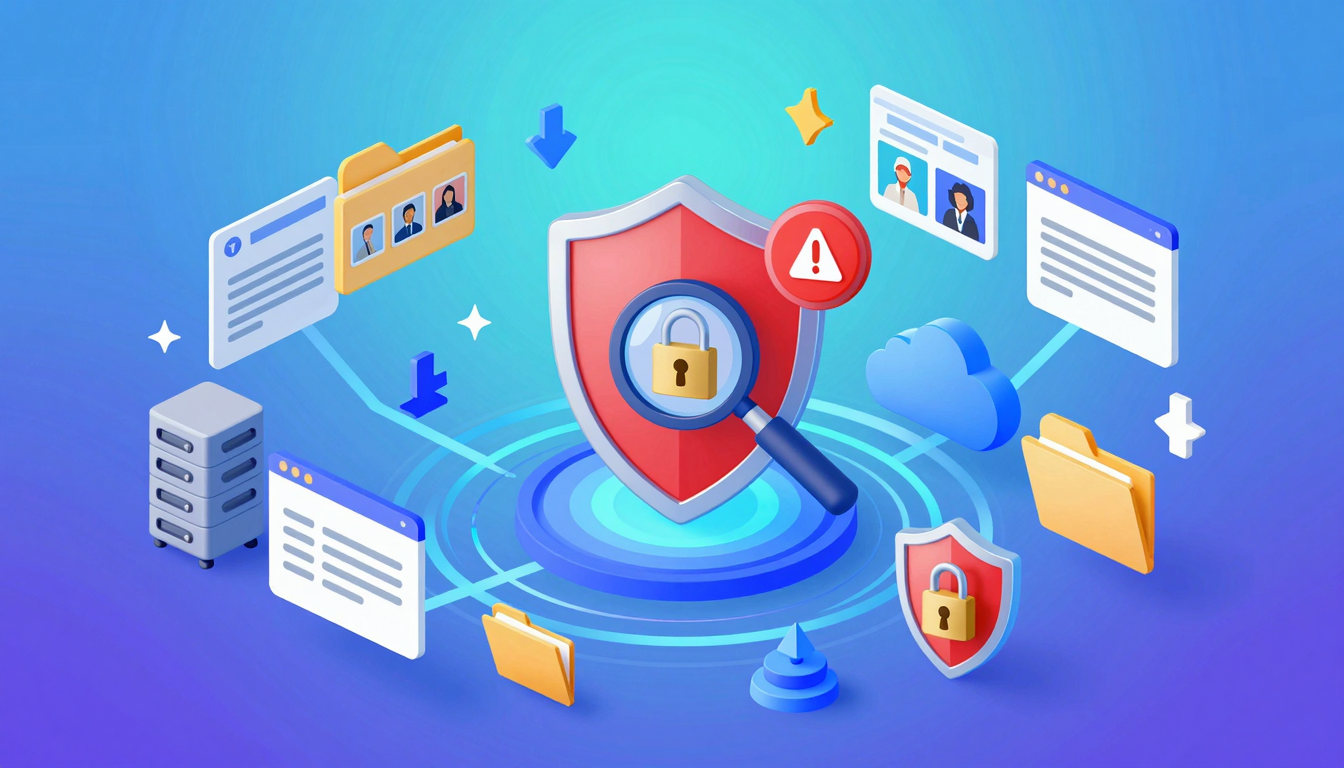
How to Identify an Insecure File Hosting Service
Learn the key signs of an insecure file hosting service to protect your data. Discover red flags like lack of encryption and poor user reviews.
What is how to spot an insecure file hosting service?
Knowing how to spot an insecure file hosting service is crucial for protecting your data and privacy. These platforms may expose your files to hackers, malware, or unauthorized access, putting sensitive information at risk. But what red flags should you look for?
- No HTTPS encryption: If the site uses "HTTP" instead of "HTTPS," your data isn’t securely transmitted.
- Lack of privacy policies: Legitimate services clearly outline how they handle your data.
- Excessive ads or pop-ups: These often indicate low-quality or malicious platforms.
- No two-factor authentication (2FA): Weak login security increases breach risks.
- Negative user reviews: Frequent complaints about malware or data leaks are major warnings.
💡 Key Insight: Free services with no clear revenue model may monetize by selling user data—always verify their credibility.
By learning how to spot an insecure file hosting service, you can avoid risky platforms and choose providers with robust security measures like end-to-end encryption and regular audits.
🔒 Secure Alternatives
Opt for services like Dropbox, Google Drive, or Proton Drive, which prioritize encryption and transparency.
⚠️ Trust Your Instincts
If a site feels sketchy or lacks basic security features, it’s better to walk away.
Why how to spot an insecure file hosting service Matters
In today’s digital age, file hosting services have become essential for sharing and storing documents, media, and other critical data. However, not all platforms are created equal. Knowing how to spot an insecure file hosting service is crucial for protecting your sensitive information and maintaining your digital privacy.
💡 Key Insight: A single insecure file hosting service can expose your data to cybercriminals, leading to breaches, identity theft, or financial loss.
Insecure file hosting services often lack robust security measures, such as encryption, two-factor authentication, or regular vulnerability checks. This leaves your files vulnerable to unauthorized access, malware attacks, or even permanent data loss. For businesses, the stakes are even higher—compromised files can damage reputations, lead to legal consequences, and result in significant financial setbacks.
- Data Privacy: Insecure services may expose your personal or client data to hackers.
- Malware Risks: Files hosted on insecure platforms can become carriers of viruses or ransomware.
- Compliance Issues: Businesses may violate data protection regulations by using unsecure services.
By learning how to spot an insecure file hosting service, you can make informed decisions that safeguard your data and ensure peace of mind. Don’t let convenience compromise your security—choose wisely.
Key Features to Look For
When learning how to spot an insecure file hosting service, paying attention to key features can help you avoid risks like data breaches, malware, or unauthorized access. Here’s what to watch for:
- Lack of Encryption: Secure services use HTTPS and end-to-end encryption. If a site doesn’t, your files could be intercepted.
- No Two-Factor Authentication (2FA): A missing 2FA feature makes accounts easier to hack.
- Vague Privacy Policies: If the service doesn’t clearly state how they handle your data, assume the worst.
- Unverified Uploads: Services that don’t scan files for malware put you at risk of downloading infected content.
- No Expiry Controls: Insecure platforms often lack options to set download limits or auto-delete files.
💡 Key Insight: Free services with excessive ads or pop-ups are often red flags—they may prioritize profit over security.
🔒 SSL/TLS Missing
Check for a padlock icon in the URL bar. No SSL? Your data isn’t protected in transit.
⚠️ No Audit Logs
If you can’t track file access or changes, unauthorized activity could go unnoticed.
By knowing how to spot an insecure file hosting service, you can protect sensitive data and avoid costly mistakes. Always prioritize transparency and security features.
How to Get Started with How to Spot an Insecure File Hosting Service
Identifying an insecure file hosting service is crucial to protecting your data from breaches, malware, or unauthorized access. Whether you're sharing sensitive documents or personal files, knowing how to spot an insecure file hosting service can save you from potential risks. Here’s how to begin:
- Check for HTTPS: Secure services use HTTPS encryption. If the URL starts with "HTTP" instead, it’s a red flag.
- Review Privacy Policies: Legitimate platforms clearly outline data handling practices. Avoid services with vague or missing policies.
- Look for User Reviews: Research feedback from other users to uncover past security issues or complaints.
- Test Download Links: Insecure hosts may redirect you to suspicious ads or unverified third-party sites.
💡 Key Insight: Free file hosting services often cut corners on security. If a deal seems too good to be true, scrutinize the platform before uploading files.
By following these steps, you’ll develop a sharper eye for spotting risky file hosts. Always prioritize platforms with strong encryption, transparency, and a trustworthy reputation.
🔍 Verify Certifications
Look for security badges or compliance with standards like ISO 27001 to ensure reliability.
⚠️ Avoid Pop-Ups
Excessive ads or pop-ups can indicate poor security practices and potential malware risks.
Best Practices for how to spot an insecure file hosting service
Choosing a secure file hosting service is critical to protect your data from breaches or malware. If you're unsure how to spot an insecure file hosting service, follow these best practices to identify red flags before uploading sensitive files.
- Lack of HTTPS encryption: Secure services always use HTTPS. If the site URL starts with "HTTP" instead of "HTTPS," your data could be intercepted.
- No privacy policy or vague terms: Reputable providers clearly outline data handling practices. Avoid services with unclear or missing policies.
- Excessive ads or pop-ups: A flood of ads, especially for dubious downloads, often indicates poor security and potential malware risks.
- Missing two-factor authentication (2FA): Secure platforms offer 2FA. If it’s absent, unauthorized access becomes easier.
- Negative user reviews: Check forums or review sites for complaints about data leaks, slow support, or suspicious activity.
💡 Key Insight: Free services with unlimited storage often cut corners on security. Always verify their reputation before trusting them with important files.
By learning how to spot an insecure file hosting service, you can avoid risks like data theft or ransomware. Prioritize transparency, encryption, and user feedback when evaluating providers.
Frequently Asked Questions
How can I tell if a file hosting service is insecure?
Look for red flags like lack of HTTPS encryption, no privacy policy, frequent pop-up ads, or requests for excessive permissions. A reputable service will prioritize security and transparency.
Are free file hosting services always insecure?
Not necessarily, but many free services cut corners on security to save costs. Always check for encryption, user reviews, and whether the provider has a history of data breaches before trusting them with sensitive files.
What should I do if I've already used an insecure file hosting service?
Delete any sensitive files uploaded to the service, change passwords for linked accounts, and monitor for suspicious activity. Consider migrating to a trusted provider with better security measures.
Can browser warnings indicate an insecure file hosting service?
Yes. Browser warnings about missing SSL certificates, unsafe scripts, or phishing risks are strong indicators of an untrustworthy service. Never ignore these warnings when uploading files.
Do file hosting services with premium plans guarantee security?
While paid services often offer better security, it's not guaranteed. Always research the provider's security features (like end-to-end encryption and two-factor authentication) regardless of their pricing model.
Conclusion
Knowing how to spot an insecure file hosting service is essential to protect your data and privacy in today’s digital landscape. By paying attention to red flags like lack of encryption, unclear privacy policies, and poor user reviews, you can make informed decisions about where to store your files.
💡 Key Insight: A secure file hosting service prioritizes transparency, robust security features, and user trust—always verify these elements before committing.
Ultimately, taking the time to evaluate a service’s credibility can save you from potential data breaches or loss. Stick to reputable providers and stay vigilant to ensure your files remain safe and accessible.
Get Started with How to Identify an Insecure File Hosting Service
Ready to take the next step? Learn the key signs of an insecure file hosting service to protect your data. Discover red flags like lack of encryption and poor user reviews.
Join thousands of users who trust fii.one for fast, private cloud storage.
Get Started Free →fii.one Team
The fii.one blog brings you guides, tips, and insights on file storage, sharing, and productivity.
← Previous
How to Organize Files in Cloud Storage Efficiently
Next →
Top File Sharing Tools for Designers & Creatives in 2024
Related Articles
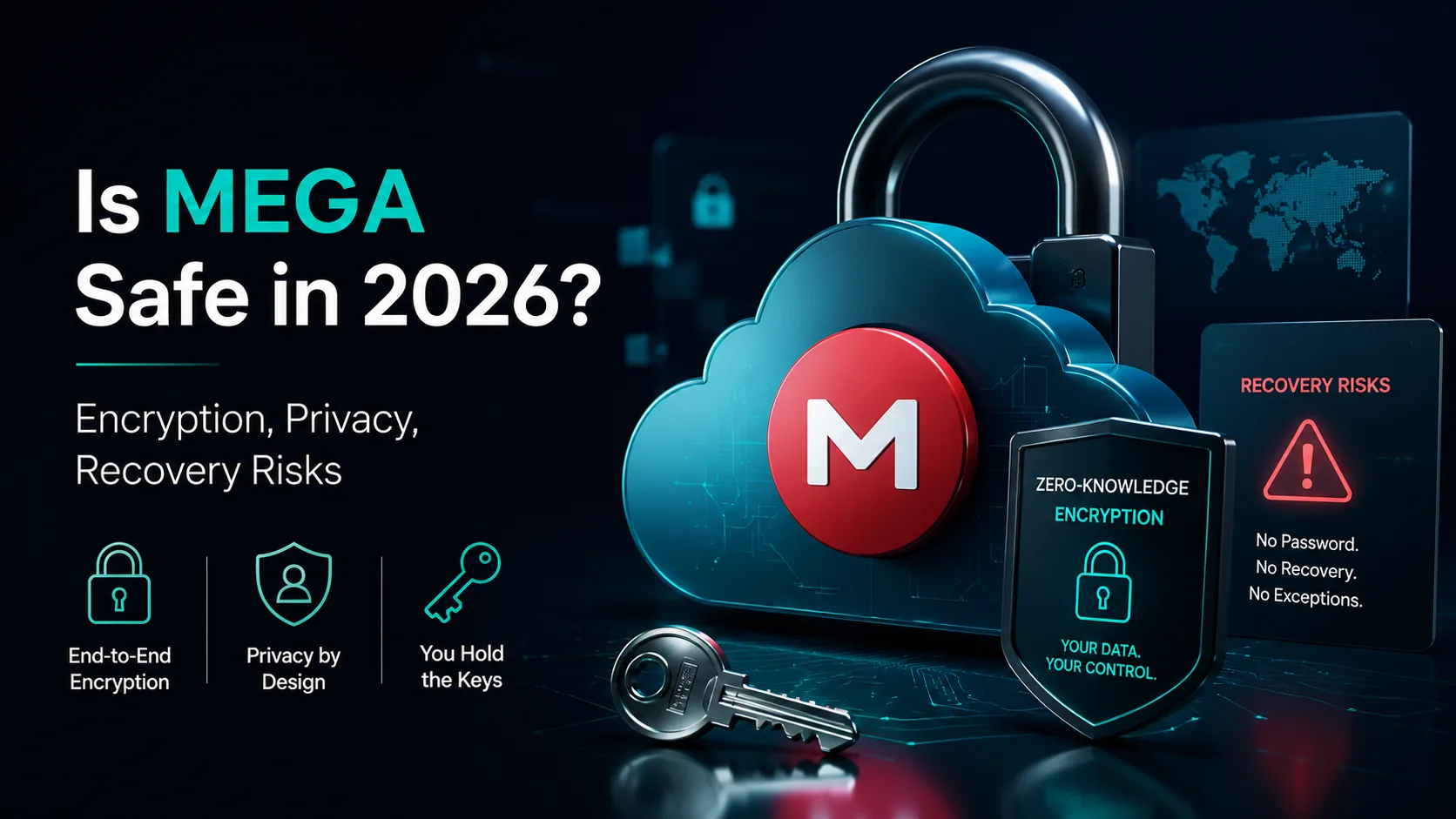
Is MEGA Safe in 2026? Encryption, Privacy & Security Verdict
7 min read

Top File Hosting Websites for Easy File Sharing and Storage
11 min read
Does Microsoft Scan Your OneDrive Files? The Answer Is More Nuanced Than You Think
4 min read
Is iCloud Really Private? The Honest Answer About Apple's Data Practices
5 min read