End-to-End Encrypted File Storage: A Complete Guide
End-to-End Encrypted File Storage: A Complete Guide
Discover how end-to-end encrypted file storage works, its benefits, and why it's essential for securing your data online. Learn more today!
What is end to end encrypted file storage explained?
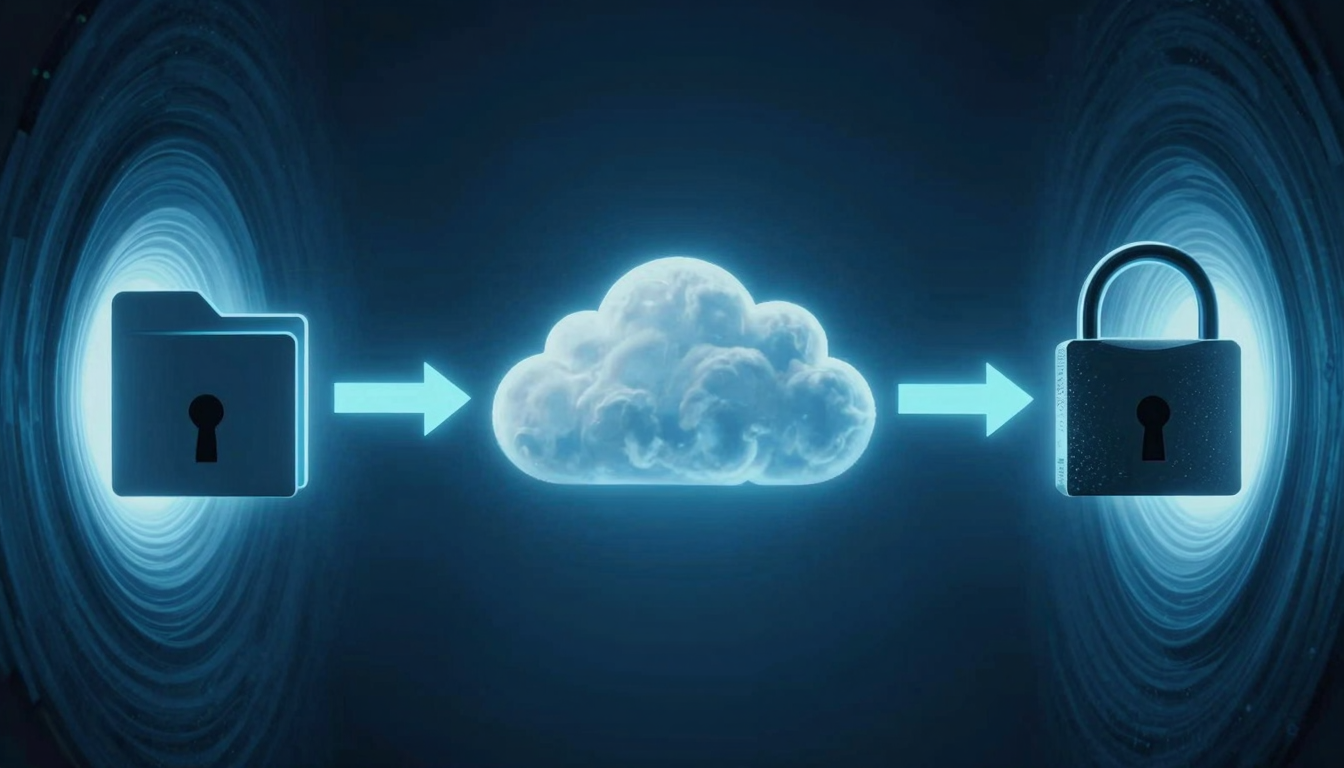
End to end encrypted file storage is a security-focused method of storing files where data is encrypted on your device before being uploaded to a cloud or server. Only you—the owner—hold the decryption keys, ensuring no third party, including the storage provider, can access your files.
💡 Key Insight: Unlike standard encryption, end to end encryption (E2EE) ensures your files remain private at every stage—upload, storage, and download.
Here’s how it works:
- Your files are encrypted locally using a unique key before leaving your device.
- The encrypted data is stored remotely, making it unreadable to hackers or service providers.
- Only you can decrypt the files when accessing them, using your private key or password.
🔒 Ultimate Privacy
Your files stay secure, even if the storage provider is compromised.
⚡ Seamless Access
Decryption happens on your device, so you can still access files quickly.
Understanding end to end encrypted file storage explained helps you choose solutions that prioritize privacy, like Proton Drive or Tresorit, for sensitive data.
Why end to end encrypted file storage explained Matters
In an era where data breaches and cyber threats are rampant, understanding end to end encrypted file storage explained is crucial for safeguarding sensitive information. Unlike traditional encryption methods, end-to-end encryption ensures that only you—and those you authorize—can access your files, providing unparalleled security.
💡 Key Insight: End-to-end encrypted file storage means your data is encrypted on your device before it’s uploaded, and only decrypted when accessed by you—eliminating vulnerabilities during transit or on servers.
- Privacy Protection: Prevents third parties, including service providers, from accessing your files.
- Security Against Hacks: Even if servers are compromised, your data remains unreadable without the decryption key.
- Compliance Ready: Meets strict data protection regulations like GDPR and HIPAA.
🔒 Peace of Mind
Store confidential documents, financial records, or personal media without fear of exposure.
🌐 Global Accessibility
Access your securely encrypted files from anywhere, knowing they’re protected at all times.
By demystifying end to end encrypted file storage explained, users can make informed choices about where and how they store their data. Whether for personal or professional use, this technology is a cornerstone of modern digital security.
Key Features to Look For
When choosing an end-to-end encrypted file storage solution, understanding the essential features ensures your data remains secure and accessible. Here’s what to prioritize when evaluating providers as part of your research into end to end encrypted file storage explained.
💡 Key Insight: True end-to-end encryption means only you hold the decryption keys—never the service provider.
- Zero-Knowledge Architecture: Ensures the provider cannot access your files, even under legal pressure.
- Cross-Platform Sync: Seamless access across devices without compromising security.
- File Versioning: Recover previous versions of files in case of accidental edits or corruption.
- Secure Sharing: Share files with others using encrypted links or password protection.
- Two-Factor Authentication (2FA): Adds an extra layer of security to your account.
🔒 Client-Side Encryption
Files are encrypted on your device before upload, ensuring no third party can intercept them.
⚡ Performance
Look for minimal latency—encryption shouldn’t slow down your workflow.
By focusing on these features, you’ll find a solution that balances security and usability, making end to end encrypted file storage explained not just a concept, but a practical tool for safeguarding your data.
How to Get Started with end to end encrypted file storage explained
End-to-end encrypted file storage ensures your data remains private, accessible only to you and authorized users. If you're new to this security-first approach, here’s how to get started:
- Choose a trusted provider: Look for services like Proton Drive, Tresorit, or Filen that specialize in end-to-end encryption.
- Set up your account: Register with a strong password and enable two-factor authentication (2FA) for extra security.
- Upload files securely: Ensure encryption happens on your device before files are uploaded—this is key to true end-to-end protection.
- Share files cautiously: Use encrypted sharing links and set expiration dates for sensitive documents.
💡 Key Insight: End-to-end encrypted file storage explained simply means only you hold the decryption keys—not even the service provider can access your files.
By following these steps, you’ll harness the power of end-to-end encrypted file storage explained in a way that keeps your data safe from breaches and unauthorized access. Start small with personal files, then expand to business documents for full protection.
🔒 Zero-Knowledge
Your files are encrypted before they leave your device, ensuring no third party can read them.
🌐 Cross-Platform Sync
Access encrypted files securely from any device without compromising privacy.
Best Practices for end to end encrypted file storage explained
End-to-end encrypted file storage ensures your data remains private, but proper implementation is key. Follow these best practices to maximize security and usability.
- Use strong, unique passwords: Combine uppercase, lowercase, numbers, and symbols to create robust credentials.
- Enable two-factor authentication (2FA): Add an extra layer of security beyond passwords.
- Regularly update encryption keys: Rotate keys periodically to minimize exposure from potential breaches.
- Verify zero-knowledge architecture: Ensure only you hold decryption keys—no third-party access.
- Backup encrypted files: Store copies in multiple secure locations to prevent data loss.
💡 Key Insight: End-to-end encrypted file storage explained simply means only you—not even the service provider—can access your files. Always confirm this feature before choosing a solution.
🔒 Audit Logs
Monitor access attempts and file changes to detect unauthorized activity early.
🔄 Share Securely
Use encrypted sharing links with expiration dates for sensitive collaborations.
By adopting these practices, you’ll ensure your end-to-end encrypted file storage remains both secure and functional, keeping your data private without sacrificing convenience.
Frequently Asked Questions
What is end-to-end encrypted file storage?
End-to-end encrypted file storage ensures that your files are encrypted on your device before being uploaded to the cloud. Only you (or those you authorize) can decrypt and access the files, as the encryption keys never leave your control.
How does end-to-end encryption protect my files?
End-to-end encryption scrambles your files using strong cryptographic algorithms. Even if a third party intercepts the data, they cannot read it without the decryption key, which only you possess.
Can I recover my files if I lose my encryption key?
No, losing your encryption key means your files cannot be recovered. Unlike traditional cloud storage, end-to-end encryption puts full responsibility for key management on you, ensuring maximum privacy.
Is end-to-end encrypted storage slower than regular cloud storage?
There may be a slight performance overhead due to encryption and decryption processes, but modern solutions optimize this to minimize any noticeable delay in file access or uploads.
Who can access my files in end-to-end encrypted storage?
Only you or users you explicitly share access with (via secure sharing methods) can decrypt and view your files. Not even the storage provider can access your data without your key.
Conclusion
End-to-end encrypted file storage is a game-changer for privacy-conscious users, ensuring that only you—and those you authorize—can access your files. By encrypting data before it leaves your device and decrypting it only upon retrieval, this technology eliminates vulnerabilities from third-party interference.
💡 Key Insight: Unlike traditional cloud storage, end-to-end encryption means even service providers can’t read your files, making it ideal for sensitive data.
- Prioritize platforms with zero-knowledge encryption for maximum security.
- Balance convenience with security—strong encryption shouldn’t slow down your workflow.
- Always verify encryption standards (like AES-256) before choosing a provider.
Now that you’ve explored end-to-end encrypted file storage explained, you’re equipped to make informed choices about safeguarding your digital assets. Whether for personal or professional use, embracing this technology is a step toward true data sovereignty.
Get Started with End-to-End Encrypted File Storage: A Complete Guide
Ready to take the next step? Discover how end-to-end encrypted file storage works, its benefits, and why it's essential for securing your data online. Learn more today!
Join thousands of users who trust fii.one for fast, private cloud storage.
Get Started Free →fii.one Team
The fii.one blog brings you guides, tips, and insights on file storage, sharing, and productivity.
← Previous
How to Back Up Your Phone to Cloud Storage Safely and Easily
Next →
How to Share Files Without Email Attachments - Quick Guide
Related Articles

How to Search Files Across MediaFire, Mega & Google Drive in One Place
3 min read
Is MEGA Safe in 2026? Encryption, Privacy & Security Verdict
7 min read
Top Temporary File Hosting Services for Fast, Secure Sharing
4 min read

How to Send a 100 GB File Online: 5 Fast Methods
22 min read