How to Send Confidential Documents Safely | Secure Tips
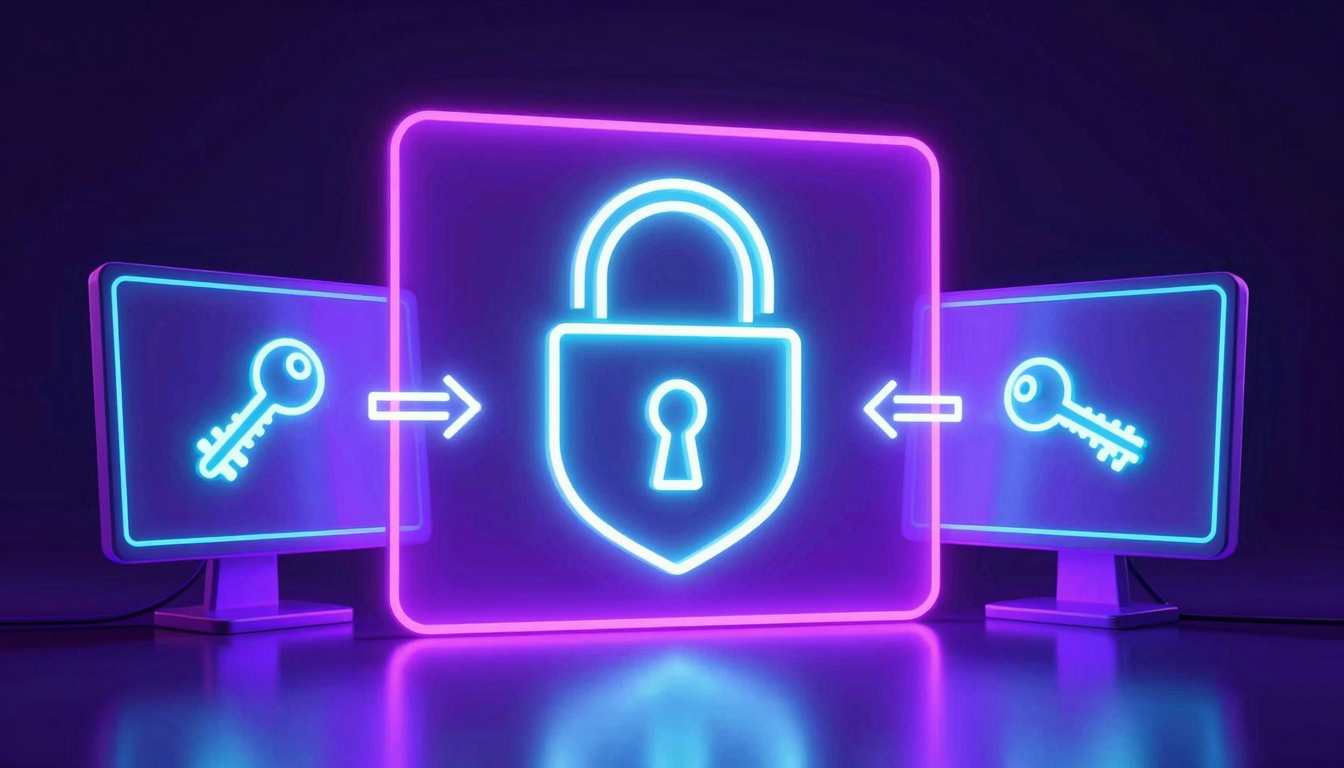
How to Send Confidential Documents Safely | Secure Tips
Learn the best methods to send confidential documents securely. Protect sensitive information with encryption, password protection, and secure file-sharing platforms.
What is how to send confidential documents safely?
In today’s digital world, knowing how to send confidential documents safely is crucial for protecting sensitive information from unauthorized access. Whether you're sharing financial records, legal contracts, or personal data, a secure transfer method ensures your documents remain private and intact.
💡 Key Insight: Sending confidential files via email or messaging apps without encryption is risky. Always opt for end-to-end encrypted platforms or password-protected solutions.
Secure document sharing involves three core principles:
- Encryption: Scrambles data so only authorized parties can read it.
- Access Controls: Limits who can view, edit, or download files.
- Audit Trails: Tracks who accessed the document and when.
🔒 Secure File Transfer
Use services like encrypted cloud storage or secure email gateways for airtight transfers.
📎 Password Protection
Add passwords to files and share them separately for an extra layer of security.
By following these best practices, you can confidently share sensitive documents without compromising security. Stay tuned for actionable steps in the next section!
Why how to send confidential documents safely Matters
In today’s digital world, sensitive information is constantly at risk. Whether you're sharing financial records, legal contracts, or personal data, knowing how to send confidential documents safely isn’t just a best practice—it’s a necessity. A single breach can lead to identity theft, financial loss, or reputational damage.
💡 Key Insight: Over 60% of data breaches occur due to human error, like sending files through unsecured channels. Proper document security minimizes these risks.
Here’s why secure document sharing matters:
- Protects privacy: Unauthorized access to sensitive data can have severe consequences for individuals and businesses.
- Ensures compliance: Industries like healthcare and finance require secure transfers to meet legal standards (e.g., HIPAA, GDPR).
- Builds trust: Clients and partners expect their confidential information to be handled with care.
Learning how to send confidential documents safely—using encryption, password protection, or secure platforms—ensures your data stays private and your reputation remains intact. Don’t let convenience compromise security.
Key Features to Look For
When figuring out how to send confidential documents safely, it’s crucial to choose tools and platforms that prioritize security. Not all solutions are created equal, so here are the essential features to consider to ensure your sensitive information stays protected.
- End-to-End Encryption: This ensures that only the sender and recipient can access the document, even if intercepted during transit.
- Password Protection: Adding an extra layer of security with a password ensures only authorized individuals can open the file.
- Expiration Links: Set a time limit for how long the document is accessible, reducing the risk of unauthorized access later.
- Audit Trails: Track who accessed the document and when, giving you full visibility and accountability.
- Two-Factor Authentication (2FA): Adds an additional security step to verify the identity of the recipient.
💡 Key Insight: Always verify the compliance standards of the platform you’re using. Look for certifications like GDPR, HIPAA, or SOC 2 to ensure it meets industry-specific security requirements.
🔒 Secure File Storage
Ensure the platform stores files securely, with encryption both in transit and at rest.
📤 Easy Sharing Options
Look for intuitive sharing methods, such as email links or secure portals, to simplify the process.
By prioritizing these features, you can confidently answer the question of how to send confidential documents safely, knowing your information is secure from start to finish.
How to Get Started with how to send confidential documents safely
Sending confidential documents safely is essential in today’s digital world, where data breaches and unauthorized access are common threats. Whether you’re sharing sensitive business files, personal information, or legal documents, taking the right steps ensures your data remains secure. Here’s how to get started.
- Identify the document: Determine which files contain sensitive information and require secure handling.
- Choose a secure method: Opt for encrypted platforms or services designed specifically for secure file sharing.
- Use strong passwords: Protect your files with complex passwords and share them securely, such as through a separate communication channel.
- Enable two-factor authentication (2FA): Add an extra layer of security to your accounts to prevent unauthorized access.
💡 Key Insight: Always double-check the recipient’s details before sending confidential documents to avoid accidental exposure.
By following these steps, you’ll be well on your way to mastering how to send confidential documents safely. Remember, taking proactive measures can save you from potential risks and ensure your sensitive information stays protected.
Best Practices for how to send confidential documents safely
Sending confidential documents requires careful handling to prevent unauthorized access. Whether you're sharing financial records, legal contracts, or sensitive business data, following best practices ensures your information stays secure. Here’s how to send confidential documents safely and efficiently.
- Use end-to-end encryption: Opt for secure file-sharing platforms like ProtonMail, Signal, or encrypted cloud storage (e.g., Tresorit) to protect files in transit and at rest.
- Password-protect files: Add an extra layer of security by encrypting documents with a strong password and sharing the password separately (e.g., via SMS or a secure messaging app).
- Verify recipient details: Double-check email addresses or phone numbers before sending to avoid accidental leaks.
- Set expiration dates: Many secure platforms allow you to set access expiration, ensuring documents aren’t available indefinitely.
💡 Key Insight: Avoid sending confidential files via unsecured email—use dedicated encrypted services instead.
For high-stakes documents, consider multi-factor authentication (MFA) or requiring recipient verification. By adopting these methods, you’ll master how to send confidential documents safely while minimizing risks.
🔒 Secure Sharing
Use platforms like Signal or encrypted email for real-time, secure document transfers.
📅 Auto-Delete
Enable self-destructing links to ensure files aren’t accessible beyond a set timeframe.
Frequently Asked Questions
What is the safest way to send confidential documents?
The safest way to send confidential documents is by using end-to-end encrypted file transfer services or secure email platforms. These tools ensure that only the intended recipient can access the files.
Can I use regular email to send confidential documents?
It is not recommended to use regular email for confidential documents as they can be intercepted or accessed by unauthorized parties. Instead, use encrypted email services or secure file-sharing platforms.
What is end-to-end encryption?
End-to-end encryption ensures that data is encrypted on the sender's device and can only be decrypted by the recipient's device. This prevents third parties, including service providers, from accessing the information.
Are password-protected files secure enough?
Password-protected files add a layer of security, but they are not foolproof. Combine password protection with encryption and secure sharing methods for maximum safety.
What should I do if I accidentally send a confidential document to the wrong person?
Immediately contact the recipient and request them to delete the document. Additionally, notify your IT or security team to assess the situation and take further action if necessary.
Conclusion
In today’s digital age, knowing how to send confidential documents safely is essential to protect sensitive information from unauthorized access or breaches. By following the steps outlined in this guide, you can ensure your documents remain secure throughout the transfer process.
- Use encryption tools to safeguard your files.
- Opt for secure file-sharing platforms with built-in security features.
- Always verify recipient details to avoid sending to the wrong person.
💡 Key Insight: Combining encryption methods with reliable platforms and best practices significantly reduces the risk of data leaks.
By prioritizing security and staying informed about the latest tools and techniques, you can confidently send confidential documents safely and protect your sensitive information from potential threats.
Get Started with How to Send Confidential Documents Safely | Secure Tips
Ready to take the next step? Learn the best methods to send confidential documents securely. Protect sensitive information with encryption, password protection, and secure file-sharing platforms.
Join thousands of users who trust fii.one for fast, private cloud storage.
Get Started Free →fii.one Team
The fii.one blog brings you guides, tips, and insights on file storage, sharing, and productivity.
← Previous
GDPR Compliant Cloud Storage: Key Features to Consider
Next →
Top Cloud Storage for Automatic Backup in 2023
Related Articles
Best File Hosting Search Engines: Find Files Fast in 2026
11 min read
How to Search Files Across MediaFire, Mega & Google Drive in One Place
3 min read

Best Enterprise Dropbox Alternative for Secure File Sharing
8 min read
Top Temporary File Hosting Services for Fast, Secure Sharing
4 min read