Secure File Sharing Between Devices: Best Methods
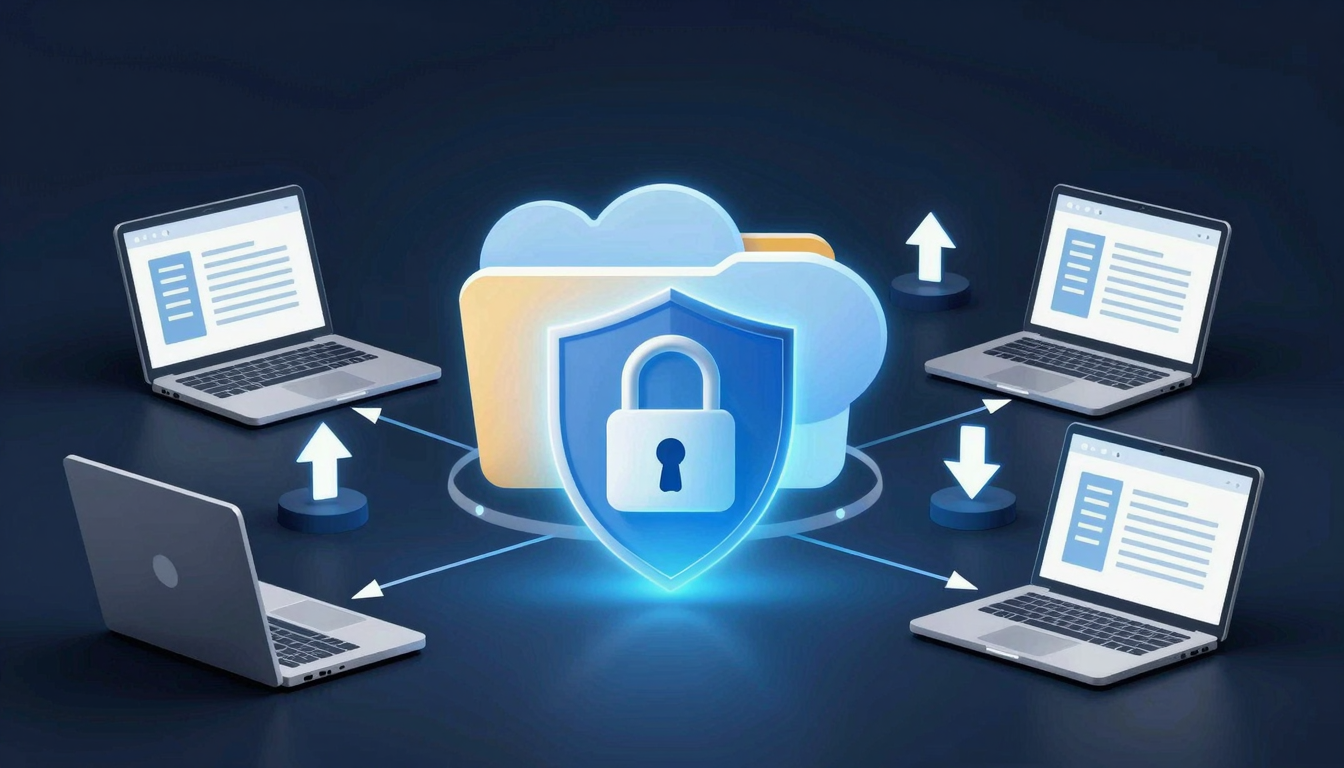
Secure File Sharing Between Devices: Best Methods
Discover the safest ways to share files between devices without compromising security. Learn about encryption, cloud services, and direct transfers.
What is how to share files securely between devices?
Sharing files between devices is a common task, but ensuring it's done securely is critical to protect sensitive data from unauthorized access or breaches. Learning how to share files securely between devices involves using trusted methods that encrypt your data, verify sender authenticity, and prevent interception by malicious actors.
💡 Key Insight: Secure file sharing isn't just about transferring data—it's about ensuring privacy and integrity at every step, from sender to recipient.
Unlike traditional methods like email or USB drives, secure file-sharing solutions prioritize encryption and controlled access. Here’s what makes a method secure:
- End-to-end encryption: Files are encrypted before sending and only decrypted by the intended recipient.
- Authentication: Both devices verify each other’s identity to prevent unauthorized access.
- Secure protocols: Methods like SFTP, HTTPS, or peer-to-peer encrypted transfers ensure safe transmission.
Whether for personal use or business, understanding how to share files securely between devices helps safeguard your information in an increasingly connected world.
Why how to share files securely between devices Matters
In today’s digital world, sharing files between devices is a daily necessity—whether for work, personal projects, or collaboration. However, without proper security measures, sensitive data can fall into the wrong hands, leading to breaches, identity theft, or financial loss. That’s why learning how to share files securely between devices is critical.
💡 Key Insight: Over 60% of data breaches occur due to poor file-sharing practices. Secure methods like encryption and password protection are no longer optional—they’re essential.
- Protects Privacy: Unsecured transfers expose personal or business data to hackers.
- Ensures Compliance: Many industries require secure file-sharing to meet legal standards (e.g., HIPAA, GDPR).
- Prevents Malware: Unsafe methods can spread viruses across devices.
Whether you’re sending confidential documents or family photos, using secure methods like end-to-end encryption or trusted cloud services ensures your files stay private. Don’t risk it—prioritize security every time you transfer data.
🔒 Secure Tools
Use apps like Signal, Proton Drive, or encrypted USB drives for airtight transfers.
🛡️ Best Practices
Always verify recipients and enable two-factor authentication.
Key Features to Look For
When learning how to share files securely between devices, choosing the right tool or method is critical. Not all file-sharing solutions are created equal, and security should always be a top priority. Below are the essential features to consider for safe and efficient file transfers.
- End-to-End Encryption (E2EE): Ensures only the sender and recipient can access files, with no third-party interception.
- Password Protection: Adds an extra layer of security by requiring a unique password for file access.
- Expiry Links: Files automatically become inaccessible after a set period, reducing exposure risks.
- Zero-Knowledge Architecture: The service provider cannot view or store your data, keeping your files private.
- Cross-Platform Compatibility: Works seamlessly between different operating systems (Windows, macOS, Android, iOS).
💡 Key Insight: A secure file-sharing tool should combine encryption with user-friendly features—balancing security and convenience is key when learning how to share files securely between devices.
🔒 No Data Logging
Avoid services that track or store metadata, ensuring complete anonymity.
⚡ Fast Transfers
Prioritize solutions with high-speed transfers, especially for large files.
Lastly, always verify the reputation of the service or software. Look for independent security audits and user reviews to confirm reliability. A robust solution should integrate these features while maintaining ease of use—whether you're sharing sensitive documents or large media files.
How to Get Started with how to share files securely between devices
Sharing files securely between devices is essential in today's digital world, whether for work or personal use. However, ensuring your data remains protected requires the right tools and methods. Here’s a simple guide to get started:
- Choose a secure platform: Opt for trusted services like encrypted cloud storage (e.g., Proton Drive, Tresorit) or peer-to-peer tools (e.g., Syncthing) that prioritize end-to-end encryption.
- Enable encryption: Always use tools that encrypt files both in transit and at rest. Look for AES-256 or zero-knowledge encryption for maximum security.
- Use strong passwords & 2FA: Protect shared files with complex passwords and enable two-factor authentication (2FA) to add an extra layer of security.
- Limit access: Share files only with trusted recipients and set expiration dates or password protection for sensitive documents.
💡 Key Insight: Avoid using public Wi-Fi when sharing files—opt for a VPN to encrypt your connection and prevent unauthorized access.
Mastering how to share files securely between devices doesn’t have to be complicated. Start with these foundational steps, and you’ll significantly reduce the risk of data breaches or leaks.
🔒 Encrypted Cloud Storage
Services like Proton Drive or Tresorit ensure files are encrypted before they leave your device.
🌐 Peer-to-Peer Tools
Syncthing allows direct, encrypted file transfers without relying on third-party servers.
Best Practices for how to share files securely between devices
In today’s digital age, sharing files between devices is a daily necessity, but it’s crucial to do so securely to protect sensitive information. Whether you’re transferring documents, photos, or videos, following best practices ensures your data remains safe from unauthorized access or cyber threats.
- Use Encrypted File Transfer Services: Opt for services like end-to-end encrypted cloud storage or secure file-sharing platforms to ensure your data is protected during transit.
- Enable Two-Factor Authentication (2FA): Add an extra layer of security to your accounts by requiring a second form of verification before accessing shared files.
- Avoid Public Wi-Fi: When sharing files, avoid using unsecured public networks. Instead, use a VPN to encrypt your connection.
- Set Expiration Dates and Access Permissions: Limit how long shared files are accessible and restrict access to authorized users only.
- Regularly Update Software: Keep your devices and apps up to date to patch vulnerabilities that could be exploited by hackers.
💡 Key Insight: Always verify the recipient’s identity before sharing sensitive files to prevent accidental data leaks.
By implementing these best practices, you’ll master how to share files securely between devices, ensuring your data remains safe and your peace of mind intact.
Frequently Asked Questions
What is the most secure way to share files between devices?
The most secure method is using end-to-end encrypted file-sharing services like Signal, Proton Drive, or encrypted cloud storage with zero-knowledge encryption. These ensure only the sender and recipient can access the files.
Are email attachments safe for sharing sensitive files?
No, email attachments are generally not secure for sensitive files. They can be intercepted in transit or accessed if your email account is compromised. Always use encrypted alternatives for confidential documents.
How can I share large files securely?
For large files, use secure cloud services with encryption (like Tresorit or Sync.com) or encrypted file transfer tools (such as OnionShare). These maintain security while handling large file sizes better than email.
Is it safe to use USB drives for file transfer?
USB drives can be safe if you encrypt them first with tools like VeraCrypt. However, they carry risks of physical loss/malware, so encrypted digital transfers are generally preferable for sensitive data.
What should I do if I accidentally shared a file with the wrong person?
Immediately revoke access if using a cloud service, change passwords if credentials were shared, and notify the recipient to delete the file. For highly sensitive data, consider consulting a security professional.
Conclusion
Sharing files securely between devices is no longer optional—it’s essential in today’s digital landscape. By leveraging encryption, trusted platforms, and secure protocols, you can ensure your sensitive data remains protected from unauthorized access.
- Always verify the security features of the tools you use.
- Enable two-factor authentication for an added layer of protection.
- Regularly update your software to patch vulnerabilities.
💡 Key Insight: Understanding how to share files securely between devices not only safeguards your information but also builds trust with those you collaborate with.
By following these best practices, you can confidently navigate the digital world, knowing your files are secure every step of the way.
Get Started with Secure File Sharing Between Devices: Best Methods
Ready to take the next step? Discover the safest ways to share files between devices without compromising security. Learn about encryption, cloud services, and direct transfers.
Join thousands of users who trust fii.one for fast, private cloud storage.
Get Started Free →fii.one Team
The fii.one blog brings you guides, tips, and insights on file storage, sharing, and productivity.
← Previous
Client Side vs Server Side Encryption Explained
Next →
How Much Cloud Storage Do You Need? Find the Right Amount
Related Articles

Best File Hosting Search Engines: Find Files Fast in 2026
11 min read

How to Search Files Across MediaFire, Mega & Google Drive in One Place
3 min read

Best Enterprise Dropbox Alternative for Secure File Sharing
8 min read

Top Temporary File Hosting Services for Fast, Secure Sharing
4 min read