Secure Online Medical Records Storage: Best Practices
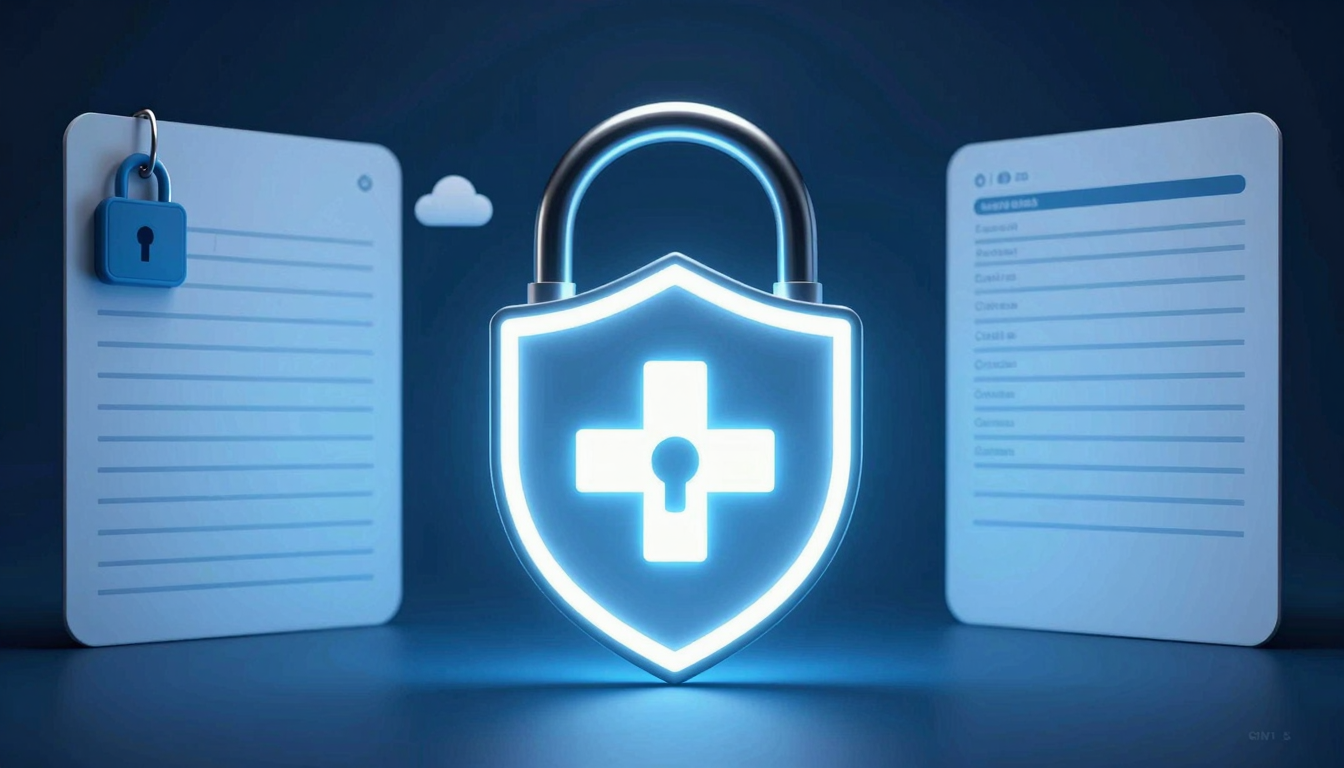
Secure Online Medical Records Storage: Best Practices
Learn the best ways to store medical records securely online, ensuring privacy and compliance with healthcare regulations. Protect sensitive data effectively.
What is how to store medical records securely online?
Storing medical records securely online involves using digital solutions to protect sensitive patient data from unauthorized access, breaches, or loss. With the rise of telehealth and digital healthcare systems, knowing how to store medical records securely online has become essential for healthcare providers and patients alike.
💡 Key Insight: Secure storage isn’t just about encryption—it’s about implementing a holistic approach that includes access controls, backups, and compliance with regulations like HIPAA or GDPR.
Here’s what secure online medical record storage typically includes:
- End-to-end encryption to ensure data is unreadable if intercepted.
- Multi-factor authentication (MFA) to prevent unauthorized logins.
- Regular audits to track access and detect suspicious activity.
- Secure cloud storage with redundancy to prevent data loss.
By adopting these measures, healthcare organizations and individuals can safeguard sensitive information while ensuring quick, compliant access when needed. Whether you're a patient or provider, understanding how to store medical records securely online is key to maintaining privacy in the digital age.
Why how to store medical records securely online Matters
In today’s digital age, healthcare providers and patients alike rely on electronic medical records (EMRs) for convenience and efficiency. However, failing to learn how to store medical records securely online can lead to devastating consequences, from data breaches to legal penalties. Protecting sensitive health information isn’t just a best practice—it’s a necessity.
💡 Key Insight: A single data breach can cost healthcare organizations an average of $10.1 million, making secure storage a financial and ethical imperative.
- Patient Trust: Secure storage ensures confidentiality, fostering trust between healthcare providers and patients.
- Regulatory Compliance: Laws like HIPAA and GDPR mandate strict protections for medical data—non-compliance risks heavy fines.
- Cyberattack Prevention: Encrypted, cloud-based solutions reduce vulnerabilities to hacking or ransomware.
Whether you’re a clinic or an individual, understanding how to store medical records securely online safeguards privacy, avoids legal pitfalls, and ensures seamless access to critical health data when needed most.
🔒 Peace of Mind
Secure storage means no unauthorized access to sensitive health histories or treatments.
⚡ Quick Access
Authorized personnel can retrieve records instantly, improving emergency care.
Key Features to Look For
When choosing a platform for how to store medical records securely online, not all solutions are created equal. To ensure your sensitive data remains protected, look for these essential features:
- End-to-End Encryption: Your data should be encrypted both in transit and at rest, ensuring only authorized users can access it.
- HIPAA & GDPR Compliance: Verify the platform adheres to healthcare privacy laws to avoid legal risks.
- Multi-Factor Authentication (MFA): An extra layer of security prevents unauthorized logins, even if passwords are compromised.
- Audit Logs: Track who accessed records and when, providing transparency and accountability.
- Role-Based Access Controls: Limit data access to only those who need it, reducing exposure to breaches.
💡 Key Insight: A secure platform should balance ease of use with robust security—avoid systems that sacrifice one for the other.
🔒 Zero-Knowledge Architecture
Opt for providers that can’t access your data, ensuring only you hold the decryption keys.
🔄 Automated Backups
Regular, encrypted backups prevent data loss from hardware failures or cyberattacks.
Prioritizing these features will help you confidently navigate how to store medical records securely online while maintaining compliance and patient trust.
How to Get Started with how to store medical records securely online
Storing medical records online securely is essential for protecting sensitive health data while ensuring easy access. If you're unsure where to begin, follow these steps to get started with a safe and efficient system.
💡 Key Insight: Always choose HIPAA-compliant or GDPR-compliant platforms when learning how to store medical records securely online—these ensure legal and technical safeguards.
- Select a secure platform: Opt for encrypted cloud storage or specialized healthcare record systems with end-to-end encryption.
- Organize your files: Categorize records (e.g., lab results, prescriptions) and use consistent naming conventions.
- Enable multi-factor authentication (MFA): Add an extra layer of security to prevent unauthorized access.
- Set access controls: Share records only with trusted healthcare providers or family members, using permission-based sharing.
- Regularly back up data: Ensure redundancy by saving copies in multiple secure locations.
By following these steps, you’ll create a streamlined and secure system for managing medical records online. Prioritize platforms with strong encryption and compliance standards to keep sensitive data protected.
🔒 Secure Storage Tip
Avoid free, unencrypted cloud services—invest in specialized solutions for medical data security.
📅 Stay Updated
Review and update stored records quarterly to remove outdated files and maintain accuracy.
Best Practices for how to store medical records securely online
Storing medical records online requires strict security measures to protect sensitive patient data. Whether you're a healthcare provider or an individual, following best practices ensures compliance with regulations like HIPAA and safeguards against breaches. Here’s how to store medical records securely online effectively:
- Use HIPAA-compliant cloud storage: Choose providers with encryption, access controls, and audit logs to meet legal standards.
- Enable multi-factor authentication (MFA): Add an extra layer of security to prevent unauthorized access.
- Encrypt data at rest and in transit: Ensure files are unreadable to hackers, even if intercepted.
- Limit access with role-based permissions: Only authorized personnel should handle sensitive records.
- Regularly back up data: Protect against data loss with automated, encrypted backups.
💡 Key Insight: Storing medical records securely online isn’t just about technology—it’s about training staff and patients on cybersecurity hygiene to minimize risks.
By implementing these strategies, you can confidently manage digital health records while maintaining privacy and compliance. Always stay updated on evolving threats to refine your approach.
Frequently Asked Questions
What is the safest way to store medical records online?
The safest way to store medical records online is by using HIPAA-compliant cloud storage services. These platforms use encryption, secure access controls, and regular audits to ensure data privacy and security.
Can I use personal cloud storage like Google Drive or Dropbox?
While personal cloud storage is convenient, it may not meet the security standards required for medical records. It’s better to use specialized healthcare platforms that comply with regulations like HIPAA or GDPR.
How can I ensure my medical records are encrypted?
Choose storage solutions that offer end-to-end encryption, both during data transfer and at rest. Additionally, use strong passwords and enable two-factor authentication for added security.
What should I do if I lose access to my online medical records?
Contact your storage provider immediately. Most platforms have recovery options, such as backup access codes or customer support, to help you regain access securely.
Are there free options for securely storing medical records online?
Some platforms offer free plans with basic security features, but for full compliance and advanced protection, paid services are recommended. Always verify the platform’s compliance with healthcare regulations.
Conclusion
Securing your medical records online is not just a best practice—it’s a necessity in today’s digital age. By following the right steps, such as using encrypted storage, strong authentication, and regular audits, you can ensure your sensitive health data remains protected from breaches and unauthorized access.
💡 Key Insight: The right tools and habits make all the difference when learning how to store medical records securely online. Prioritize platforms with end-to-end encryption and compliance with healthcare regulations like HIPAA or GDPR.
- Always use strong, unique passwords and enable multi-factor authentication.
- Regularly update your software to patch vulnerabilities.
- Educate yourself on phishing scams to avoid accidental data leaks.
By taking these precautions, you can confidently manage your medical records online while minimizing risks. Stay proactive, stay secure!
Get Started with Secure Online Medical Records Storage: Best Practices
Ready to take the next step? Learn the best ways to store medical records securely online, ensuring privacy and compliance with healthcare regulations. Protect sensitive data effectively.
Join thousands of users who trust fii.one for fast, private cloud storage.
Get Started Free →fii.one Team
The fii.one blog brings you guides, tips, and insights on file storage, sharing, and productivity.
← Previous
Top Cloud Storage for Automatic Backup in 2023
Next →
File Sharing vs Cloud Storage: Key Differences Explained
Related Articles
Is MEGA Safe in 2026? Encryption, Privacy & Security Verdict
7 min read
Does Microsoft Scan Your OneDrive Files? The Answer Is More Nuanced Than You Think
4 min read
Secure File Sharing in 2026: 6 Ways Files Leak and How to Stop Each
5 min read
Is iCloud Really Private? The Honest Answer About Apple's Data Practices
5 min read