Is Decentralized Cloud Storage Worth It in 2026? The Honest Assessment

Is Decentralized Cloud Storage Worth It in 2026? The Honest Assessment
Decentralized storage promises privacy and censorship resistance by distributing your files across a global network of nodes. But the practical reality involves trade-offs most reviews do not talk about. Here is what decentralized storage actually looks like in 2026.
No single point of control — files survive provider shutdown
Higher friction than traditional cloud storage for average users
Performance depends on network conditions and node availability
What decentralized storage actually means
Traditional cloud storage stores your files on servers owned and operated by a single company — Google, Microsoft, Amazon. Decentralized storage breaks your files into encrypted fragments and distributes them across a network of nodes operated by many different individuals and organizations. No single entity controls the complete dataset.
This architectural difference creates genuine advantages: no company can shut down your storage by going bankrupt, changing policy, or being compelled by a government. Your files exist as encrypted fragments across a distributed network that requires no single point of trust.
💡 Key Insight: Decentralized storage is not inherently faster or cheaper than centralized alternatives — it is architecturally different. The trade-offs are real: higher complexity, variable performance, and user responsibility for key management. The benefits — censorship resistance, no single point of failure, privacy from the provider itself — are real but matter differently for different users.
Where decentralized storage genuinely wins
- Censorship resistance: If a government orders a centralized provider to remove your content, they can. With decentralized storage, no single entity can remove your files — the data is distributed across thousands of nodes.
- No single point of failure: If Filecoin or Storj goes bankrupt tomorrow, your files are still distributed across the network. You do not lose access the way you would if Google Drive shut down.
- Provider independence: Your files are not controlled by any single company. You are not subject to their policy changes, pricing changes, or business decisions.
- True privacy from the provider: Even if a government compels a decentralized network, no single node operator has access to meaningful data — only encrypted fragments.
Where decentralized storage falls short
- User experience complexity: Most decentralized storage solutions require more technical setup than Dropbox or Google Drive. For non-technical users, the friction is real.
- Performance variability: File retrieval speed depends on which nodes are online, network conditions, and geographic distribution. This is not as fast or consistent as centralized storage.
- Storage incentives and node reliability: Decentralized networks rely on node operators to store your data reliably. If the economic incentives for node operators change, data availability can be affected.
- Key management responsibility: If you lose your encryption keys in a true decentralized system, your data is gone. There is no "forgot password" recovery. This is a feature for privacy but a risk for usability.
- Ecosystem maturity: Decentralized storage is still early. Tools, interfaces, and integrations are not as mature as centralized alternatives.
Internxt specifically: what it offers and where it fits
Internxt is a decentralized cloud storage provider that aims to make decentralized storage accessible to mainstream users. It uses the Frances Xtorrent network and wraps it in a user-friendly interface that is closer to Dropbox than to running a command-line storage node.
Internxt's value proposition: decentralized storage with consumer-grade UX. The trade-off is that it is more expensive than centralized alternatives and performance depends on network conditions.
When decentralized storage is worth it
- You have a specific threat model that includes censorship or government content removal
- You want provider independence from major tech platforms
- You are technically comfortable with key management and encryption responsibility
- You prioritize privacy architecture over user experience simplicity
- You are building on blockchain or Web3 infrastructure where decentralized storage fits naturally
When to stick with centralized storage
- You want the simplest possible storage experience
- Performance consistency matters more than architectural independence
- You are not in a situation where censorship or government access is a realistic threat
- You want zero-knowledge encryption without managing decentralized network participation
- You want unlimited storage without storage ceiling concerns
Compare: fii.one vs Internxt.
Frequently asked questions
Is decentralized cloud storage worth it?
For most users, centralized zero-knowledge storage like fii.one is a better value — simpler UX, consistent performance, zero-knowledge encryption, and lower cost. Decentralized storage is worth it for users with specific censorship resistance needs, technical comfort with key management, or architectural requirements that decentralized systems uniquely address.
What is the advantage of decentralized storage?
The primary advantage is censorship resistance and no single point of failure. No company or government can remove your files by compelling a single provider. Your data is distributed across a network of nodes that cannot be controlled by any single entity.
What is the disadvantage of decentralized storage?
Performance variability, higher complexity, user responsibility for key management, and typically higher cost. Decentralized storage is architecturally different, not inherently better — the trade-offs are real and depend on your specific needs.
Is Internxt a good decentralized storage option?
Internxt makes decentralized storage accessible to non-technical users — which is genuinely valuable. However, it is more expensive than centralized alternatives and performance varies with network conditions. For most users, fii.one's zero-knowledge centralized storage at $4.99/month provides better value with simpler UX.
Decentralized principles, centralized simplicity
If you want zero-knowledge encryption with simple UX and consistent performance, see fii.one pricing. For a direct comparison with Internxt, see fii.one vs Internxt.
Join thousands of users who trust fii.one for fast, private cloud storage.
Get Started Free →fii.one Team
The fii.one blog brings you guides, tips, and insights on file storage, sharing, and productivity.
← Previous
Who Actually Needs Swiss Cloud Storage? A Honest Audience Profile
Next →
Internxt Review: Speed vs Privacy — Which Actually Wins for Your Use Case?
Related Articles

MEGA Bandwidth Limits Explained: Transfer Quota, Caps & Fixes
7 min read
Is pCloud Lifetime Plan Worth It in 2026? The Math That Matters
5 min read
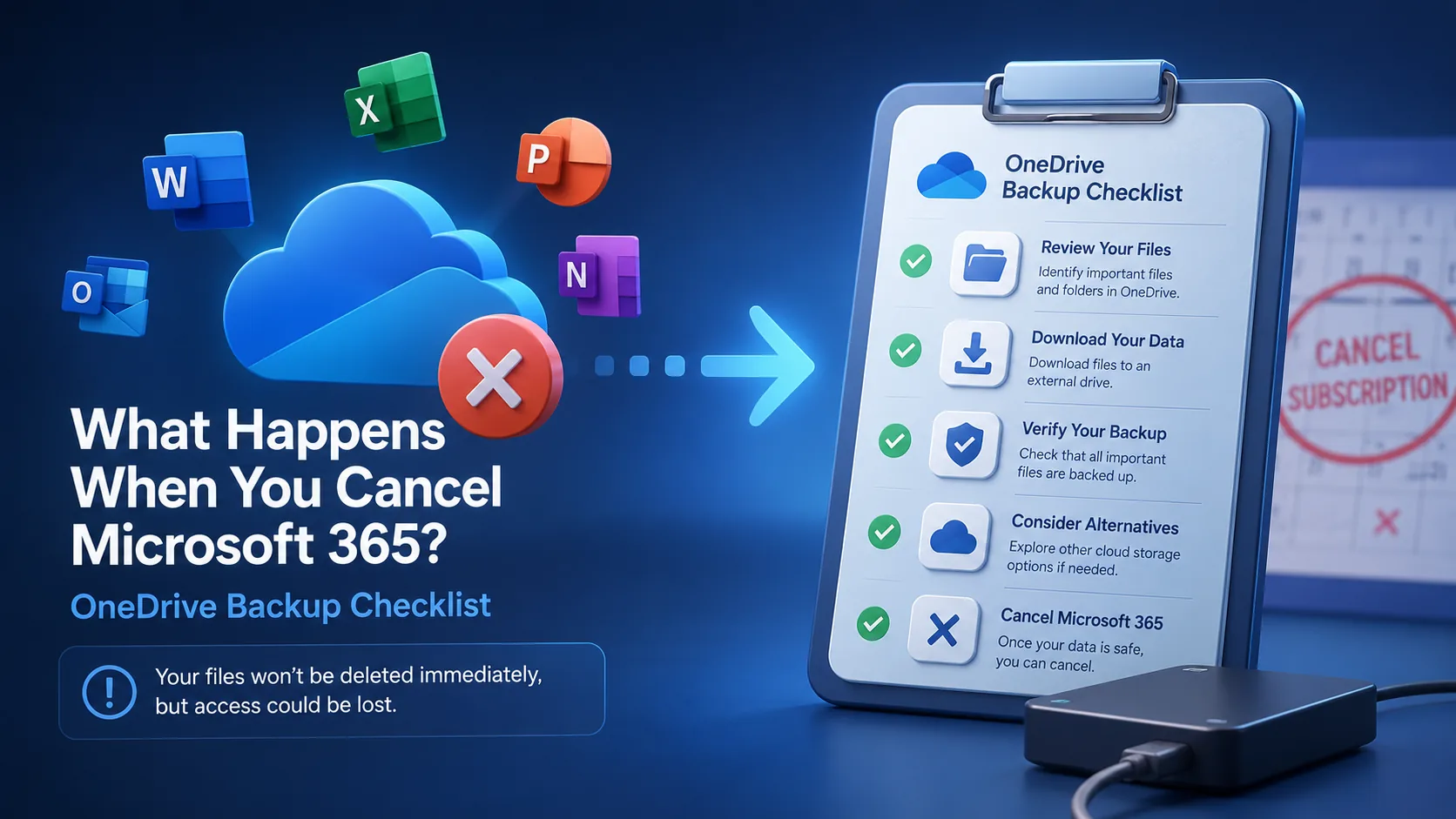
What Happens When You Cancel Microsoft 365? Files, OneDrive & Checklist
7 min read
What is File Hosting? Your Guide to Cloud Storage & Sharing
8 min read