Cloud Storage vs External Hard Drive: Which is Better?

Cloud Storage vs External Hard Drive: Which is Better?
Exploring the pros and cons of cloud storage versus external hard drives to help you decide which storage solution best fits your needs for security, accessibility, and cost.
What is cloud storage vs external hard drive which is better?
When deciding between cloud storage and an external hard drive, it’s essential to understand what each option offers. Cloud storage refers to saving your data on remote servers accessed via the internet. It allows you to access files from anywhere, anytime, as long as you have an internet connection. On the other hand, an external hard drive is a physical device that connects to your computer, offering a tangible way to store and backup data.
💡 Key Insight: The choice between cloud storage vs external hard drive depends on your needs—cloud offers flexibility, while external drives provide control.
Here’s a quick comparison to help you decide which is better:
- Accessibility: Cloud storage wins with anytime, anywhere access. External drives require physical connection.
- Security: External drives offer offline security, while cloud storage relies on encryption and provider reliability.
- Cost: External drives are a one-time purchase, while cloud storage often involves ongoing subscription fees.
- Capacity: External drives provide fixed storage, whereas cloud storage scales with your needs.
Ultimately, the decision between cloud storage vs external hard drive comes down to your priorities—whether you value convenience and accessibility or prefer physical control and one-time costs.
Why cloud storage vs external hard drive which is better Matters
Choosing between cloud storage and an external hard drive isn’t just about where you store files—it’s about accessibility, security, and long-term convenience. The debate of cloud storage vs external hard drive which is better impacts how you protect data, collaborate, and even recover from disasters.
💡 Key Insight: Cloud storage offers remote access and automatic backups, while external drives provide physical control and one-time costs. Your choice depends on priorities like budget, speed, and scalability.
- Accessibility: Cloud storage lets you access files from any device, while external drives require physical connection.
- Security: External drives avoid internet risks, but cloud providers offer encryption and redundancy.
- Cost: Cloud storage involves subscriptions, while external drives are a one-time purchase.
Whether you prioritize convenience or control, understanding cloud storage vs external hard drive which is better ensures you pick the right solution for backups, work, or personal use.
☁️ Cloud Pros
Automatic sync, easy sharing, and no hardware failures.
💽 Drive Pros
No internet needed, faster transfers, and full data ownership.
Key Features to Look For
When comparing cloud storage vs external hard drive which is better, it’s essential to evaluate the features that align with your needs. Both options have distinct advantages, but understanding the key features can help you make an informed decision.
- Accessibility: Cloud storage allows you to access files from anywhere with an internet connection, while external hard drives require physical access to the device.
- Storage Capacity: External hard drives often offer larger storage capacities at a lower cost, whereas cloud storage plans vary widely in size and pricing.
- Security: Cloud storage providers typically offer encryption and advanced security measures, but external hard drives are offline and less vulnerable to cyber threats.
- Backup and Recovery: Cloud storage automatically backs up data, reducing the risk of loss. External hard drives require manual backups and are susceptible to physical damage.
💡 Key Insight: If you prioritize convenience and remote access, cloud storage may be the better choice. However, if you need high-capacity storage without relying on the internet, an external hard drive could be more suitable.
🌐 Cloud Storage
Ideal for collaboration, remote access, and automatic backups. Perfect for users who need flexibility and scalability.
💾 External Hard Drive
Best for large files, offline storage, and one-time purchases. Great for users who prefer physical control over their data.
Ultimately, the choice between cloud storage and external hard drives depends on your specific requirements. Consider factors like budget, accessibility, and security to determine which solution fits your needs best.
How to Get Started with cloud storage vs external hard drive which is better
Choosing between cloud storage vs external hard drive which is better depends on your needs. Here’s how to get started with each option and decide which suits you best.
💡 Key Insight: Cloud storage offers accessibility from anywhere, while external drives provide physical control and one-time costs.
Getting Started with Cloud Storage:
- Sign up for a service like Google Drive, Dropbox, or iCloud.
- Upload files via the app or web interface.
- Set up automatic backups for photos/docs.
- Share files easily with collaborators.
Getting Started with External Hard Drives:
- Purchase a reputable brand (e.g., WD, Seagate).
- Connect it to your computer via USB.
- Format the drive if needed (NTFS for Windows, APFS for Mac).
- Manually drag & drop files or set up scheduled backups.
Still unsure? Try both! Use cloud storage for frequent-access files and an external drive for large backups or sensitive data. The best choice in "cloud storage vs external hard drive which is better" depends on your budget, security needs, and convenience.
Best Practices for cloud storage vs external hard drive which is better
Choosing between cloud storage and an external hard drive depends on your needs, but following best practices can help you maximize the benefits of both. Here’s how to make the most of each option in the debate of cloud storage vs external hard drive which is better.
💡 Key Insight: For most users, a hybrid approach (combining both solutions) offers the best balance of security, accessibility, and cost-effectiveness.
- Prioritize security: Use encryption for external drives and enable two-factor authentication (2FA) for cloud storage.
- Automate backups: Schedule regular backups for external drives and sync critical files to the cloud.
- Optimize costs: Store large, rarely accessed files locally and use cloud storage for collaborative or mobile-friendly files.
- Check redundancy: Follow the 3-2-1 rule—keep 3 copies of data, on 2 different media, with 1 offsite (cloud).
📁 For External Drives
Store sensitive or large media files, verify hardware health annually, and keep drives in a cool, dry place.
☁️ For Cloud Storage
Leverage versioning for file recovery, share files via links (not attachments), and monitor subscription storage limits.
Ultimately, the "better" option depends on your workflow. Power users handling large datasets may prefer external drives, while remote teams benefit from cloud flexibility. Assess your priorities—security, accessibility, or budget—to decide.
Frequently Asked Questions
What is the main difference between cloud storage and an external hard drive?
Cloud storage is a digital service that allows you to store files on remote servers accessed via the internet, while an external hard drive is a physical device that connects to your computer to store files locally.
Which is more secure: cloud storage or an external hard drive?
External hard drives are generally more secure as they are offline and not susceptible to hacking. However, cloud storage providers often use encryption and advanced security measures to protect your data.
Can I access my files from anywhere with cloud storage?
Yes, one of the biggest advantages of cloud storage is that you can access your files from any device with an internet connection, whereas an external hard drive requires physical access.
Which option is more cost-effective in the long term?
Cloud storage typically involves ongoing subscription fees, while an external hard drive is a one-time purchase. However, cloud storage often includes additional features like automatic backups and syncing, which may justify the cost.
Can I use both cloud storage and an external hard drive together?
Absolutely! Many people use a combination of both for redundancy. For example, you can store important files locally on an external hard drive and use cloud storage for easy access and backup.
Conclusion
Choosing between cloud storage and an external hard drive ultimately depends on your needs. If you prioritize accessibility, collaboration, and automatic backups, cloud storage is the better option. However, if you need offline access, high-speed transfers, and a one-time cost, an external hard drive wins.
💡 Key Insight: For maximum security, consider combining both—use cloud storage for convenience and an external hard drive for local backups.
- Cloud storage is ideal for remote work and frequent file sharing.
- External hard drives excel for large media files and no-internet environments.
In the debate of cloud storage vs external hard drive which is better, there’s no universal answer—weigh your priorities to find the best fit.
Get Started with Cloud Storage vs External Hard Drive: Which is Better?
Ready to take the next step? Exploring the pros and cons of cloud storage versus external hard drives to help you decide which storage solution best fits your needs for security, accessibility, and cost.
Join thousands of users who trust fii.one for fast, private cloud storage.
Get Started Free →fii.one Team
The fii.one blog brings you guides, tips, and insights on file storage, sharing, and productivity.
← Previous
How to Send Large Video Files Without Losing Quality: Best Methods
Next →
How to Protect Sensitive Files in the Cloud | Secure Storage Tips
Related Articles

MEGA Bandwidth Limits Explained: Transfer Quota, Caps & Fixes
7 min read
Is pCloud Lifetime Plan Worth It in 2026? The Math That Matters
5 min read
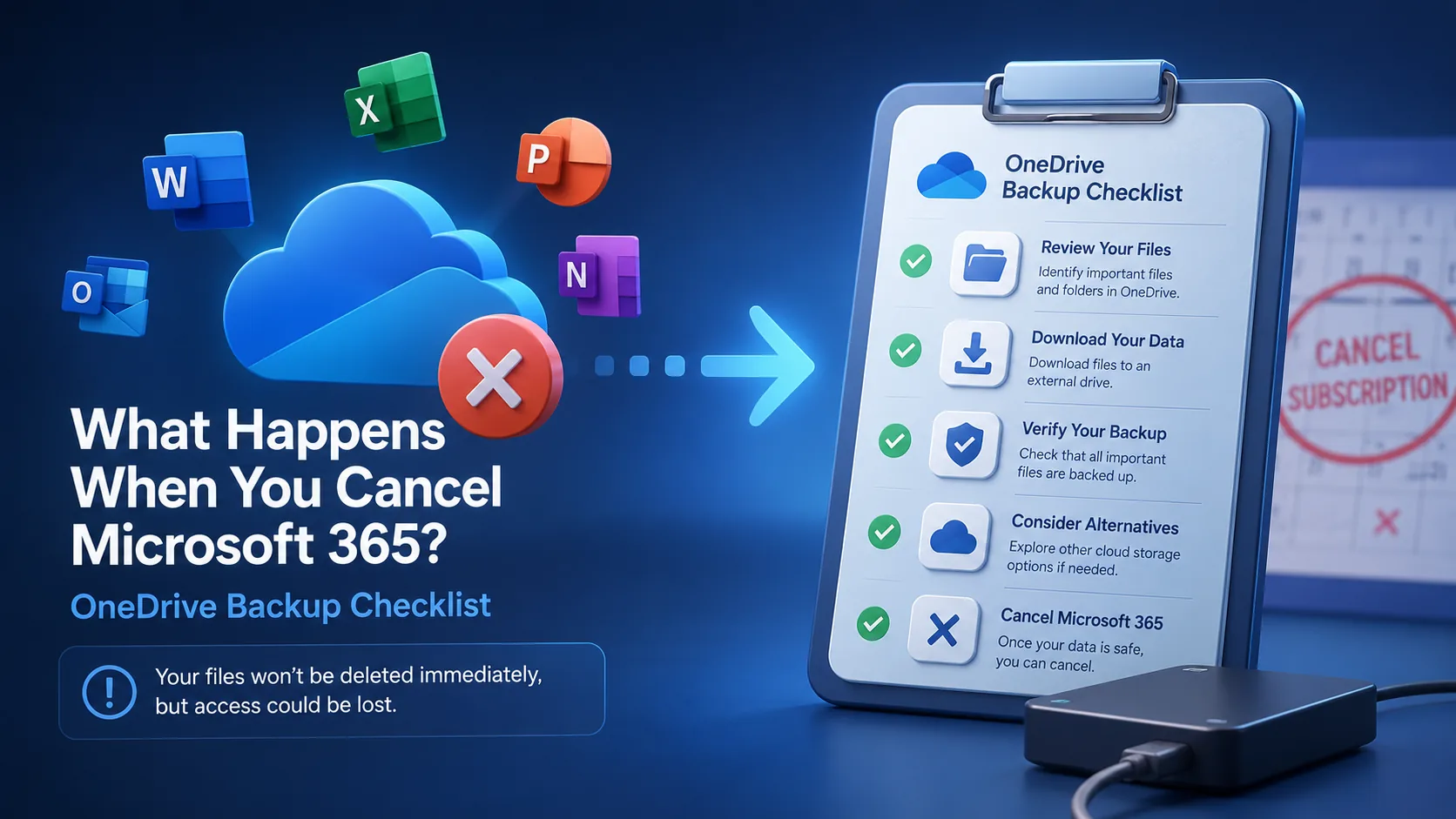
What Happens When You Cancel Microsoft 365? Files, OneDrive & Checklist
7 min read
What is File Hosting? Your Guide to Cloud Storage & Sharing
8 min read